
Defense contractors actively recruit veterans, recognizing their unparalleled experience and proven skills. This strategic hiring practice strengthens national security projects while offering meaningful post-service careers. It’s a powerful synergy that benefits both industry and those who have served.
The Strategic Advantage: Why Veterans Are a Perfect Fit
In the high-stakes world of business, where calm under pressure is currency, veterans bring a decisive edge. They are masters of adaptable leadership, forged in environments where plans change instantly and teams must coalesce around a mission. This background cultivates unparalleled resilience and a unique ability to execute complex logistics under demanding constraints. Hiring a veteran isn’t just an act of gratitude; it’s a strategic advantage, integrating a professional who understands that true success is a collective achievement, built on discipline, loyalty, and an unwavering commitment to the objective.
Immediate Operational Readiness
In the high-stakes world of business, where calm under pressure defines success, veterans bring a decisive edge. They are masters of **adaptable leadership skills**, forged in environments where plans dissolve and resilience is paramount. This unique background means they don’t just follow a process; they assess, adapt, and lead teams through uncertainty with a clarity that turns chaos into opportunity. Their ingrained discipline and mission-focused mindset translate directly into operational excellence and unwavering reliability, making them invaluable assets in any competitive landscape.
Leadership Under Pressure
Veterans possess a **strategic talent pipeline** that delivers immediate operational advantage. Their training instills unparalleled discipline, resilience, and the ability to execute under pressure. They are proven leaders who thrive in team-oriented, mission-critical environments, translating complex objectives into actionable results. This background makes them exceptional assets who enhance organizational culture, drive productivity, and provide a decisive competitive edge in any field.
Security Clearances and Trust
Veterans bring a unique strategic talent pipeline directly from service to the corporate mission. They operate with a proven leadership style built on accountability, resilience, and the ability to execute under pressure. This background makes them exceptionally adept at navigating complex challenges and fostering high-performing teams. By hiring veterans, companies gain force multipliers who enhance operational excellence and drive tangible results from day one.
Understanding the End-User
Veterans bring a unique and powerful strategic advantage to the civilian workforce, forged in environments where accountability, resilience, and mission-focused execution are paramount. Their training instills unparalleled leadership under pressure, systematic problem-solving, and the ability to thrive within structured teams toward a common objective. This translates directly into reliable, adaptable, and high-performing employees who elevate organizational culture. Companies that intentionally leverage this disciplined talent pool gain a decisive competitive edge in operational excellence and team cohesion.
Key Roles for Veterans in Defense Contracting
Veterans bring invaluable expertise to defense contracting roles, directly enhancing national security. Their firsthand operational experience proves critical in systems engineering and integration, ensuring complex military technologies meet real-world requirements. They excel as program managers, leveraging their understanding of military culture and procurement to shepherd projects efficiently. Furthermore, veterans serve as essential quality assurance and logistics specialists, guaranteeing reliability and sustainment. Their ethical grounding and security clearances also make them ideal candidates for cybersecurity and intelligence analysis positions, protecting sensitive data and assets. This direct pipeline of talent strengthens both the defense industrial base and veteran career transitions.
Program Management and Acquisition
Veterans are uniquely positioned to excel in **defense contracting careers** due to their direct operational experience and security clearances. Their firsthand understanding of military protocols, equipment, and end-user needs is invaluable for developing realistic training programs, testing new technologies, and providing critical logistical support. This expertise ensures that contracted products and services are practical, effective, and tailored to the warfighter’s actual requirements, bridging the gap between the Pentagon and the private sector.
Systems Engineering and Integration
Veterans are uniquely positioned to drive innovation and enhance operational readiness within defense contracting. Their firsthand combat and systems experience translates directly into developing more effective, soldier-centric technologies and streamlined procurement processes. This **veteran expertise in defense contracting** ensures that critical products are not only technologically advanced but also rigorously tested against real-world scenarios. By bridging the gap between the battlefield and the boardroom, they provide an indispensable edge in national security, ensuring that every contract delivers superior capability to the warfighter.
Field Service Representatives and Trainers

Veterans are uniquely positioned to drive innovation within the **defense contracting industry**. Their firsthand operational experience provides an irreplaceable perspective, allowing them to bridge the gap between warfighter needs and engineering solutions. They excel in roles from program management and systems engineering to quality assurance and field support, ensuring that contracted deliverables are both technically sound and tactically relevant.
Their lived experience is the ultimate blueprint for effective defense technology.
This direct insight accelerates development cycles and enhances product reliability, making them indispensable assets for securing national security contracts.
Cybersecurity and Intelligence Analysis
Veterans are uniquely positioned to drive innovation and integrity within **defense contracting careers**. Their firsthand operational experience provides critical insight for developing realistic training systems, refining battlefield technologies, and ensuring contract deliverables meet the urgent needs of warfighters. This direct understanding of tactical environments allows them to bridge the gap between the Pentagon and the production line, enhancing product relevance and accelerating deployment. Their leadership and security expertise further ensure projects are executed with unmatched discipline and accountability.
**Q: Why are veterans so valuable to defense contractors?**
**A:** They provide irreplaceable real-world perspective, ensuring developed systems and services are practical, effective, and mission-ready.
Overcoming the Transition Gap
Overcoming the transition gap in language learning requires a deliberate shift from structured study to authentic use. Learners often plateau after mastering basics because they lack strategies to bridge classroom knowledge to real-world fluency. The key is immersion through consumption and creation. Consume media intended for native speakers, then actively use that language in writing or conversation. This process, though challenging, builds the automaticity needed for true proficiency. Prioritize comprehensible input and embrace mistakes as necessary feedback, systematically closing the gap between knowing the language and living it.
Translating Military Skills to Civilian Requirements
Overcoming the transition gap in language learning requires bridging the chasm between theoretical knowledge and practical fluency. This critical phase demands deliberate practice in authentic contexts, moving beyond textbook exercises to real-world application. A strategic focus on comprehensible input and consistent output is essential for achieving language acquisition success. Learners must actively seek immersion through media consumption and conversational engagement to solidify their skills and build communicative confidence.
Bridging the Cultural Divide
Bridging the transition gap between learning a language and using it confidently feels like standing at the edge of a cliff. The textbook world ends, and the chaotic, beautiful reality of fluent conversation begins. This leap requires intentional authentic immersion, seeking out real conversations where mistakes are not failures but the very material of growth. **Effective language acquisition strategies** turn theory into practice, transforming hesitant learners into engaged speakers who finally cross that daunting divide.

Technical Upskilling and Certification Programs
Overcoming the transition gap in language learning requires a deliberate shift from theoretical knowledge to practical application. This critical bridge is built by immersing oneself in authentic communication, moving beyond textbook exercises to engage with real-world media and conversations. Strategic language immersion techniques are essential for cementing fluency. True mastery is demonstrated not in the classroom, but in the unpredictable flow of a live discussion. By consistently seeking these challenging interactions, learners can close the gap and achieve confident, functional language use.
Best Practices for Veteran Recruitment and Retention
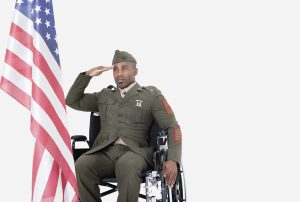
Successful veteran recruitment requires proactive outreach through military transition programs and veteran-focused job fairs, ensuring your company is visible where veterans seek opportunities. Retention hinges on creating an inclusive culture that values military skills https://www.wxyz.com/lifestyle/these-are-the-best-companies-for-veterans-according-to-monster like leadership and adaptability. Implement mentorship programs and clear pathways for advancement to leverage their unique strengths. Recognize their service and provide support for reintegration, as this commitment directly builds a loyal, mission-driven workforce. Ultimately, a dedicated veteran hiring initiative is not just charitable; it is a strategic advantage that brings disciplined talent into your organization.
Targeted Outreach and Military-Friendly Branding
To effectively recruit and retain veterans, companies must move beyond simple thank-yous and build a truly military-friendly culture. This starts with translating military skills into civilian roles, using specialized software or veteran mentors to bridge the jargon gap. A strong veteran employee resource group provides crucial peer support, boosting retention. Ultimately, successful veteran recruitment hinges on demonstrating genuine, long-term career paths, not just a one-time hire. This commitment builds a loyal and highly skilled talent pool that strengthens the entire organization.
Structured Onboarding and Mentorship
Effective veteran recruitment and retention hinges on cultural competency. Translate military skills into civilian roles using specialized skills-mapping software to ensure accurate role placement. Retention is achieved by fostering an inclusive environment with dedicated employee resource groups and mentorship programs connecting veterans with leadership. This military talent pipeline requires ongoing commitment, from hiring managers trained in military acronyms to clear pathways for career advancement that acknowledge proven leadership and resilience.
Career Pathing and Continued Development
Effective veteran recruitment and retention hinges on a military skills translation strategy. Proactively map military occupational specialties to civilian roles, emphasizing transferable leadership and technical competencies. For retention, establish a dedicated Veteran Employee Resource Group (VERG) to foster peer mentorship and a supportive community. This structured approach demonstrates genuine commitment, boosting both hiring success and long-term engagement, which is crucial for building an inclusive workforce that leverages diverse talent.
Leveraging Employee Resource Groups (ERGs)

Effective veteran recruitment and retention hinges on translating military skills into corporate value. A dedicated **veteran hiring program** demonstrates authentic commitment, beginning with skilled recruiters who understand military occupational specialties. Retention is achieved through structured mentorship, clear advancement pathways, and fostering an inclusive culture that values diverse leadership styles. Ultimately, retaining veteran talent requires the same deliberate strategy used to recruit it. This builds a resilient and loyal workforce that directly enhances organizational performance.
Challenges and Considerations
Mastering English presents unique challenges, from its vast vocabulary and irregular spelling to navigating countless dialects and cultural idioms. A primary consideration is balancing grammatical precision with natural, fluent communication. For global professionals, search engine optimization often dictates specific keyword integration, which can conflict with creative or nuanced writing. This constant dance between clarity, correctness, and engagement keeps even native speakers on their toes. Furthermore, the language’s rapid evolution, driven by digital media, requires learners and users to remain perpetually adaptable.
Competing with Government and Other Sectors
Mastering the English language presents significant challenges, from its vast vocabulary and inconsistent spelling to complex phrasal verbs and nuanced prepositions. Learners must navigate a spectrum of global accents and dialects, which can hinder comprehension. Furthermore, achieving true fluency requires understanding cultural context and idiomatic expressions that often defy direct translation. A strategic approach to English language learning is essential to overcome these hurdles efficiently and build genuine communicative competence.
Q: What is the biggest hurdle for new English learners?
A: The irregular spelling and pronunciation rules, which create a steep initial learning curve, are often the most daunting challenge.
Addressing Unique Needs and Support Systems
Mastering English presents a unique journey for every learner. Beyond grammar lies the challenge of navigating its vast vocabulary, filled with synonyms, idioms, and nuances of pronunciation that can change meaning entirely. Cultural context is equally vital, as the same words can convey different intentions across the globe.
True fluency is less about perfect rules and more about understanding the living, breathing intent behind the words.
This requires consistent practice and exposure to authentic materials, making English language learning strategies essential for navigating its complexities.
Ensuring Meaningful Work Beyond “Warm Body” Roles
Mastering English presents unique challenges, from navigating its vast vocabulary and inconsistent spelling to understanding nuanced cultural idioms. The language’s global dominance adds pressure for non-native speakers, while regional dialects can create communication barriers even among the proficient. For content creators, this complexity demands careful consideration to ensure clarity and broad accessibility. Effective **English language learning strategies** must therefore address these hurdles directly, transforming obstacles into opportunities for deeper connection and understanding in a multilingual world.
The Future of the Veteran Workforce in Defense
The veteran workforce has always been the backbone of the defense sector, but its future is one of profound transformation. As technology reshapes modern warfare, these seasoned professionals are uniquely positioned to bridge the gap between cutting-edge innovation and real-world application. Their deep operational experience will be critical in developing and deploying the next generation of systems, from AI to cyber defense. This creates a powerful synergy where military talent retention fuels technological superiority, ensuring that the defense industry not only retains its vital institutional knowledge but evolves it into a decisive strategic advantage for the coming decades.
Emerging Technologies and Veteran Skillsets
The veteran workforce is poised to become the **linchpin of national security innovation**. As defense technology accelerates, the sector increasingly seeks operators who can bridge the gap between cutting-edge systems and real-world missions. These men and women bring a depth of experience that cannot be replicated in a classroom, having operated in high-stakes environments where decision-making is critical. Their transition from military service to the defense industrial base represents a strategic retention of irreplaceable talent.
This seamless continuum of service ensures that the equipment of tomorrow is built by those who truly understand the demands of the battlefield.
By integrating this seasoned perspective, the industry future-proofs its capabilities, ensuring that advanced platforms like AI and cyber defenses are grounded in practical, operational wisdom.
Building a Sustainable Talent Pipeline
The future of the veteran workforce in defense is incredibly bright. Their deep technical expertise and leadership, forged in high-stakes environments, are perfectly suited for the industry’s shift toward **advanced defense technology integration**. As the sector prioritizes cybersecurity, AI, and autonomous systems, veterans with hands-on experience in these domains are becoming its most valuable assets. Companies are now actively recruiting this talent, not just for their skills, but for their unmatched problem-solving abilities and commitment to the mission, ensuring a stronger, more innovative national defense.
**Q&A**
* **Q: What makes veterans so sought-after in modern defense?**
* **A:** They have direct experience operating and maintaining the very technologies—like drones and cyber networks—that are defining the future of defense, making them ready to contribute from day one.
The Broader Impact on National Security
The veteran workforce is poised to become the **linchpin of national security innovation**, bringing irreplaceable experience from the battlefield to the boardroom. As defense technology accelerates with AI, cyber, and autonomous systems, these skilled professionals provide the critical human context for next-generation tools. *Their unique journey from service to sector is reshaping how we protect nations.* This transition ensures that cutting-edge defense solutions remain grounded in the practical realities of mission success, making their integration not just strategic, but essential for future readiness.
